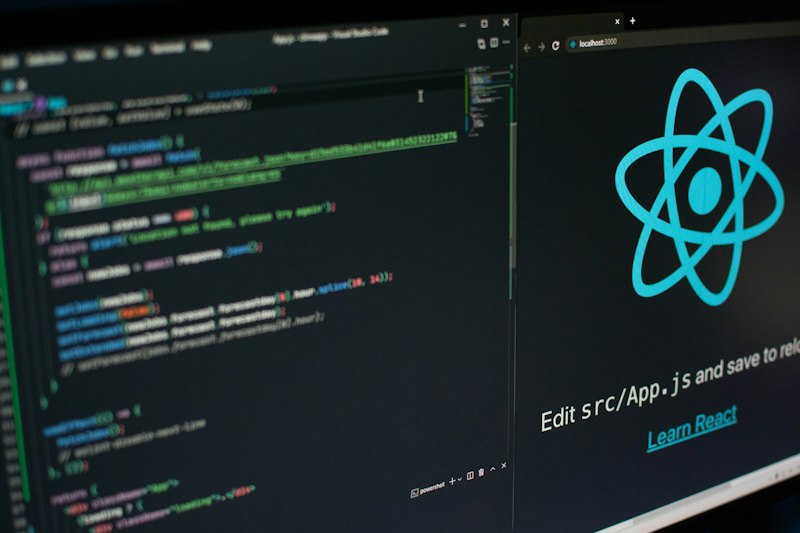

Web development is evolving at an extraordinary pace. The tools, frameworks, and paradigms that define best practices today look fundamentally different from even three years ago. As a team that ships production applications daily, we have a front-row view of which trends are reshaping the industry and which are noise.
Here are the developments that we believe will have the most significant impact on how we build for the web.
AI-Assisted Development
AI coding assistants have moved from novelty to essential productivity tools. They accelerate boilerplate generation, help debug complex issues, and can even suggest architectural patterns. However, they do not replace the need for experienced developers who understand system design, security implications, and performance optimization.
The most productive teams use AI as a force multiplier for skilled developers, not as a replacement for engineering judgment. We expect this pattern to deepen as AI tools become more capable at handling well-defined subtasks while humans focus on higher-level design decisions.
Server Components and the Return of Server Rendering
React Server Components represent a fundamental shift in how we think about the client-server boundary. By rendering components on the server and streaming HTML to the client, we can build rich interactive applications while sending significantly less JavaScript to the browser.
Next.js has led this transition with its App Router, making server-first rendering the default. This approach improves initial page load performance, reduces client-side JavaScript bundles, and simplifies data fetching patterns.
Edge Computing
Edge computing moves application logic closer to users by running code at CDN edge locations worldwide. This reduces latency for server-rendered pages and API endpoints, providing a measurably faster experience for users regardless of their geographic location.
Platforms like Vercel Edge Functions, Cloudflare Workers, and Deno Deploy make it increasingly straightforward to deploy application logic to the edge, and we expect edge-first architectures to become the default for performance-sensitive applications.
Type Safety Across the Stack
TypeScript adoption has reached a tipping point where it is the default for new projects rather than an optional addition. Beyond frontend code, type safety is extending across the entire stack through tools like tRPC for end-to-end type-safe APIs, Prisma for type-safe database queries, and Zod for runtime validation with TypeScript inference.
Progressive Web Apps Maturation
Progressive Web Apps continue to gain capabilities that blur the line between web and native applications. Push notifications, offline support, file system access, and hardware API access are all available to web applications, reducing the cases where a native app is strictly necessary.
Accessibility as a First-Class Requirement
Web accessibility is no longer an afterthought or a compliance checkbox. Inclusive design practices are becoming standard, driven by both ethical considerations and the business reality that accessible websites serve a larger audience and typically rank better in search results.
Our Approach to Adopting New Technology
At Jafen Media, we evaluate new trends through a practical lens: does this technology make our clients' products better, faster, or more maintainable? We adopt innovations that have proven their value in production, while staying informed about emerging technologies that may become essential in the near future.
Frequently Asked Questions
Quick answers to common questions
No. AI coding assistants accelerate development but do not replace the need for skilled developers. AI excels at generating boilerplate code and handling well-defined subtasks, but it cannot make architectural decisions, understand business context, ensure security, or optimize complex systems. The most productive teams use AI as a force multiplier, not a replacement. Demand for experienced developers continues to grow.
TypeScript with React/Next.js is the most in-demand skill combination. The shift toward server components, edge computing, and full-stack TypeScript has made developers proficient in the Next.js App Router particularly valuable. Additionally, understanding of performance optimization, accessibility, and AI tool integration are increasingly sought-after complementary skills.
React remains the dominant framework with the largest ecosystem, job market, and community support. Next.js (built on React) is the leading full-stack framework. However, Vue.js and Svelte are excellent alternatives for specific use cases. We recommend React/Next.js for career prospects and project versatility, with awareness of alternatives for when they offer clear advantages.
Edge computing runs your application code at servers geographically close to each user (CDN edge locations), reducing latency from 200-500ms to 20-50ms for server-rendered pages and API calls. This means faster page loads, better user experience, and improved SEO. Platforms like Vercel Edge Functions and Cloudflare Workers make edge deployment increasingly straightforward for modern web applications.
Ready to Build Something Great?
Let's discuss how we can help you achieve your digital goals with a free consultation.